



Howdy
Hero background

About Howdy

Scroll down and discover what makes us different, and why you’ll love being part of the Howdy experience.
Our history
Our founders
Meet Jacqueline Samira and Frank Licea, the leaders behind Howdy's success.
Our history
Our history

Howdy.com was born in 2018, at the height of the tech boom and in the midst of a talent shortage in Austin, Texas. Since then, and under the premise that there is good talent around the world, we have connected professionals from Latin America with hundreds of companies in the United States.

We believe that people should be at the centre of everything. That is why we focus on the sustained growth of each individual, designing career plans and building a solid community that provides support and containment, where skills, language and above all, a common vision and values are shared.

Today, Howdy.com is valued at more than $100 million and has become one of the fastest growing private companies in the United States, as well as the fourth fastest growing company in the Central Texas district.

A vision for the entire region

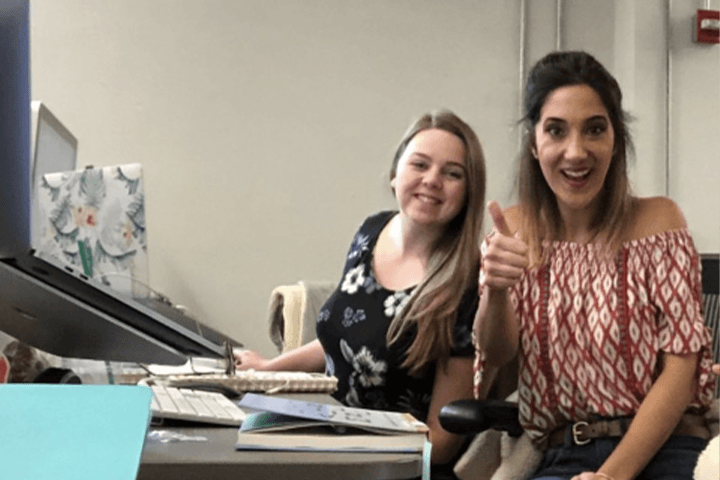
Jacqueline Samira creates Howdy with 5 people and 1 client but with a very clear idea: to connect the best talent in Latin America with great companies in the United States.
xx
First
We're not just another technology company.
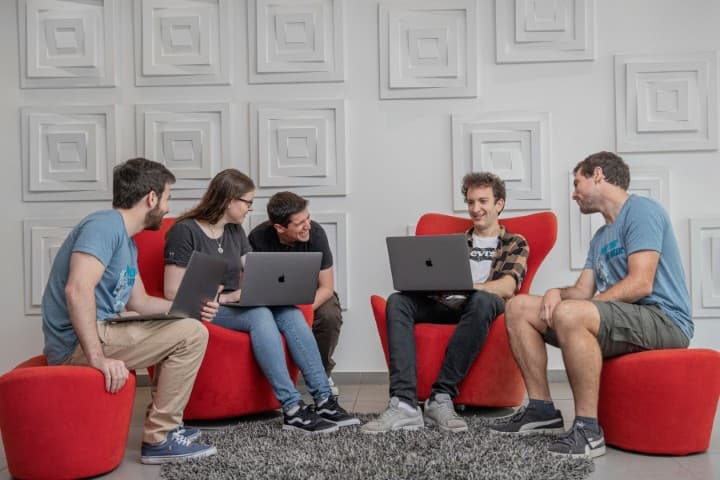
We are not just another technology company. We don't build teams on a per-project basis. We seek to build long-term relationships, and we strive to achieve the perfect match between Latin American talent and large US companies.
First
Our motto: people
first
The mentoring team focuses on the well-being of each person, from entry to follow-up in their career plan. In addition, they help you in the client relationship, giving you mentoring and accompaniment from your home country.
Our investors
These companies play a key role in driving us to bring our vision to life.
Y CombinatorGreycroftObvious
Our latest articles
Software Engineering Team
Software Development
Stop crying and move on
The article examines AI’s impact across 12 key software engineering areas in SWEBOK, assessing the level of automation in each. It concludes that AI enhances mechanical tasks, while human value remains in decision-making, context, strategy, and accountability.
Read more
software development in a technology company
Software Development
Senior Backend Developer: roadmap to go from feature factory to product engineering
Senior backend growth isn’t about more tools but about mindset. Transitioning from feature factory to product engineering means owning system outcomes, thinking strategically, embracing trade-offs, and focusing on impact, metrics, and long-term behavior rather than just implementation.
Read more
Meetup de la comunidad de Ruby
Howdy Culture
Howdy News
We started March with the Ruby community in Montevideo
Howdy sponsored the Ruby Community Meetup in Montevideo, bringing developers together for an evening of practical insights and real conversations. Talks on AI-assisted development and Rails database views sparked discussion, highlighting what these gatherings are about: community, shared learning, and stronger connections across the Ruby ecosystem.
Read more
Team of developers
Software Development
Software architecture in global teams: the leap that takes you out of maintaining legacy systems
Senior developers often feel stuck maintaining legacy systems without influencing architectural decisions. Career growth comes from developing software architecture thinking—connecting technical choices with long-term product impact. International product teams value engineers who design systems, evaluate trade-offs, and shape evolution, not just implement features.
Read more
Software developer working remotely
Software Development
Remote Work in Argentina for Senior Engineers: How to Stop Competing for Pesos and Start Negotiating in USD
Many senior engineers in Argentina remain stuck in local salary ceilings. This article explains how to reposition your career for global teams, negotiate USD compensation, and choose companies that value experience, autonomy, and real product engineering.
Read more