





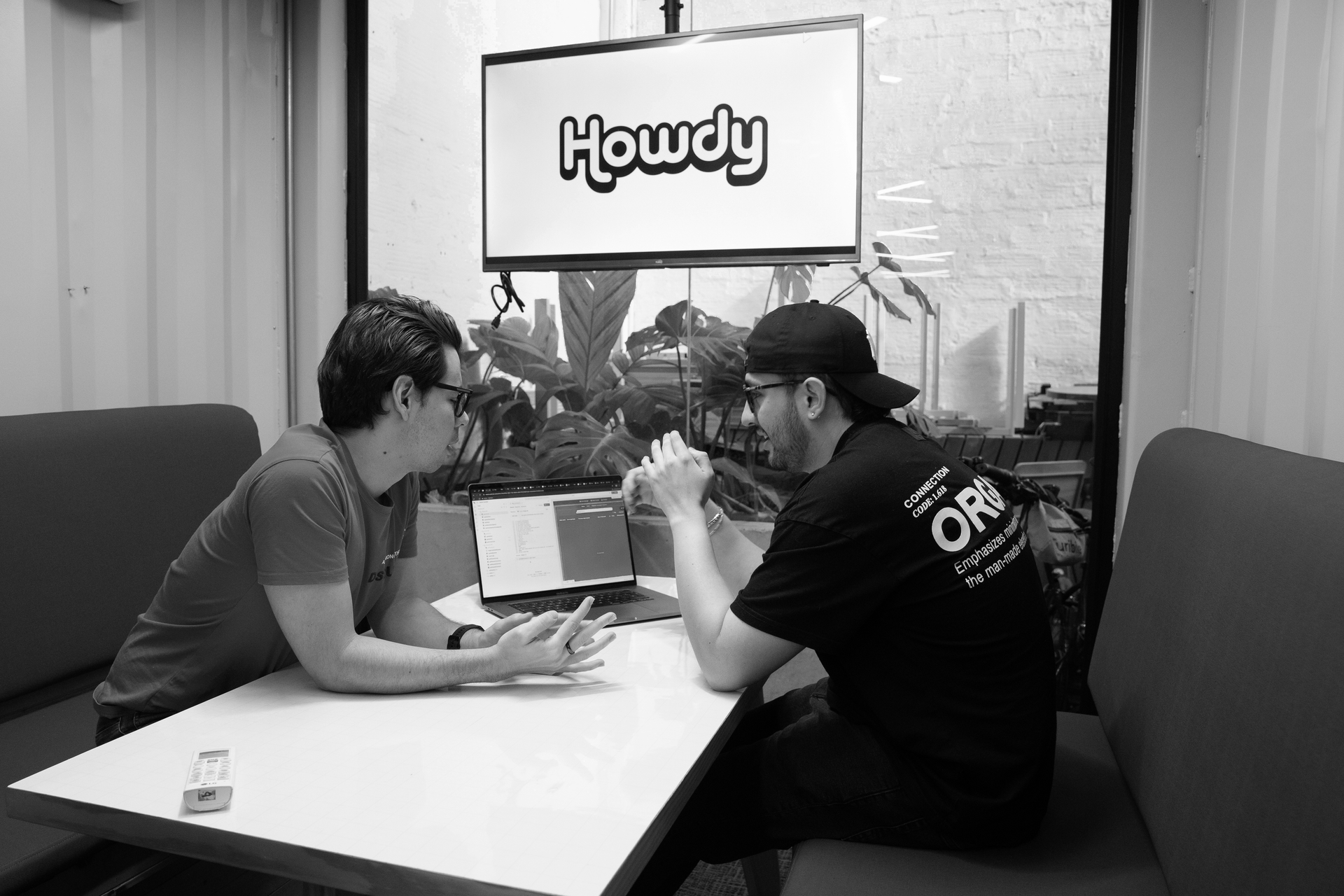
Remote work from Argentina has become an everyday reality for many senior developers. What seemed like an exception a few years ago—working for an international company without relocating—is now a fairly accessible option for experienced professionals.
However, as more engineers began working in distributed teams, a less visible problem emerged: not all remote opportunities offer the same level of organizational maturity. Some companies understand how to work with global teams; others simply transfer disorganized practices into a remote environment.
For a Senior Engineer, this difference is critical. A well-structured environment can offer autonomy, professional growth, and stability. A poorly managed one can quickly lead to burnout, frustration, and stagnation.
The key is not just getting remote work from Argentina, but learning how to evaluate what kind of company is behind that offer.
The problem is not remote work, it is the context
When a developer experiences burnout while working remotely, the usual reaction is to blame the model. However, in most cases, the problem is not remote work itself, but how the company manages distributed work.
A well-organized global team usually has clear characteristics: defined processes, accessible documentation, asynchronous communication, and reasonable expectations regarding response times. The structure allows each team member to work autonomously without losing visibility of the broader context.
In contrast, in organizations unprepared to operate remotely, fairly obvious symptoms appear. Meetings multiply because information does not flow well, priorities constantly shift, and technical decisions are made under pressure. The result is that work starts extending beyond reasonable hours, even when no one explicitly demands it.
For a senior engineer, this environment is especially problematic because it reduces the mental space needed to think about architecture, quality, or system evolution. When everything becomes urgent, technical decisions become reactive.
The misunderstood “startup mindset”
Many remote job offers include the phrase “startup mindset” as a positive attribute. In theory, it points to agile teams with autonomy and the ability to experiment quickly. In practice, its meaning can vary widely.
In less mature environments, the same phrase can mean something very different: nonexistent processes, erratic planning, and constant pressure to deliver immediate results. What is presented as flexibility ends up becoming permanent improvisation.
For a senior engineer, distinguishing between these two scenarios is essential. A truly productive environment allows for discussing technical trade-offs, questioning decisions, and planning refactors when the system needs them. A disorganized one turns every sprint into a race against time.
Signs of micromanagement in remote teams
Another important indicator when evaluating remote work from Argentina is the level of trust the organization places in its engineers.
Micromanagement in remote settings often takes different forms than in traditional offices. It does not always appear as direct supervision, but can manifest in practices such as excessive check-in meetings, constant activity reporting, or implicit pressure to be available at all times.
In mature teams, seniority translates into autonomy. Experienced engineers are expected to manage their time, make informed decisions, and communicate progress when necessary.
When a team does not trust its developers, the result is usually excessive control that ultimately affects both productivity and motivation.
How to evaluate a company before accepting
One advantage of having a senior profile is the ability to ask deeper questions during the interview process. Evaluating a company should not be limited to reviewing salary and benefits; it also involves understanding how the technical team actually operates.
Some questions that often reveal a lot about team culture include:
- How do you handle production incidents?
- What space exists for discussing technical debt?
- How are architectural decisions made?
- What are the real expectations regarding availability outside working hours?
The answers to these questions often provide more insight than any benefits description in a job offer. A team that openly discusses post-mortems, observability, and technical planning usually has a much more mature culture than one that focuses only on speed and growth.
The impact of the environment on technical growth
Burnout not only affects an engineer’s energy and motivation. It also directly impacts the quality of technical work.
When the environment is chaotic, decisions are made under constant pressure. Quick fixes are introduced, technical debt is postponed, and the space needed to deeply analyze complex problems disappears.
In contrast, in teams where remote work is well structured, engineers can dedicate time to improving system architecture, revisiting past decisions, and experimenting with more robust solutions.
This type of environment not only reduces burnout. It also accelerates professional growth.
The difference between intensity and sustainability
Some companies confuse intensity with commitment. A team constantly working under pressure may seem productive for a while, but that model is rarely sustainable.
Complex systems require deep thinking, technical discussion, and careful analysis of trade-offs. All of that requires time and focus.
An environment that respects seniority understands that an engineer’s productivity is not measured by how many hours they are online, but by the quality of the decisions they make.
Conclusion
Remote work from Argentina can be one of the best growth opportunities for a Senior Engineer. It allows collaboration with international teams, access to more complex projects, and participation in products operating at a global scale.
But that opportunity only materializes when the environment respects autonomy, technical judgment, and the time required to do high-quality work.
Carefully evaluating a company’s culture before accepting an offer is not a luxury. It is a strategic decision that can determine whether remote work becomes a source of growth or an experience of burnout.